Email: sales@farmseedsfeeds.com
WhatsApp: +27 073 638 7398
What Does a Walnut Seed Look Like? (Guide + Images)

What Does a Walnut Seed Look Like? A Complete Visual Guide
Many people ask: What does a walnut seed look like?
At first glance, walnuts can be confusing because what we commonly eat is actually the seed inside a hard shell, not the outer fruit itself. Understanding the structure of a walnut helps farmers, growers, and buyers correctly identify walnut seeds and their uses.
In this guide, we will explain what a walnut seed looks like, how it is structured, and how it differs from other seeds and nuts.
What Is a Walnut Seed?
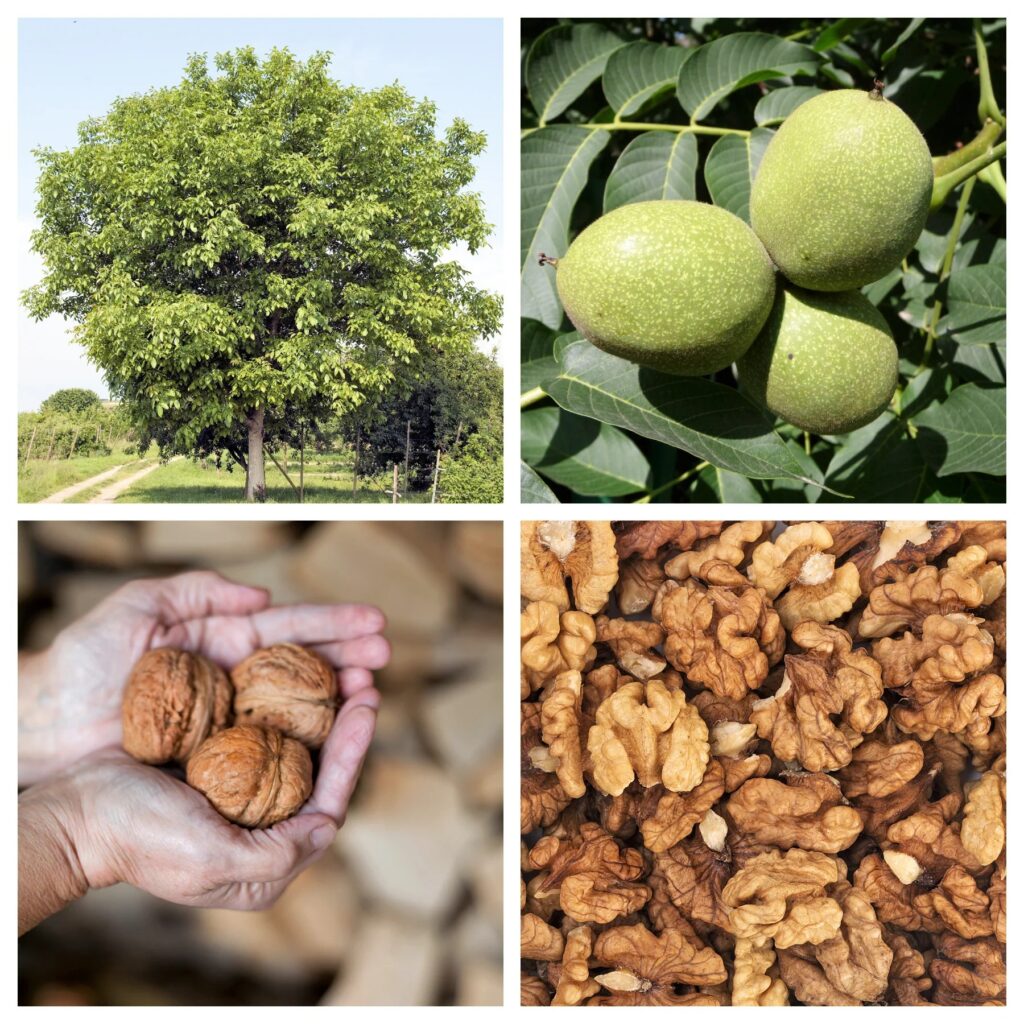
A walnut seed is the edible inner part of the walnut fruit, found inside a hard shell. The outer layers of a walnut include:
- Outer husk (green layer)
- Hard shell
- Inner seed (kernel)
The part most people recognize as a walnut is actually the seed kernel, which is used for food, oil production, and agricultural purposes.
What Does a Walnut Seed Look Like?
A walnut seed (kernel) has a very distinctive appearance.
Key Characteristics
- Shape: Irregular and brain-like
- Color: Light brown to golden
- Texture: Slightly wrinkled and soft
- Structure: Two halves (called cotyledons)
The seed is divided into two lobes, giving it its familiar brain-like structure, which is one of the easiest ways to identify it.
Inside the Walnut Shell
Before reaching the seed, a walnut must be opened.
Inside the shell:
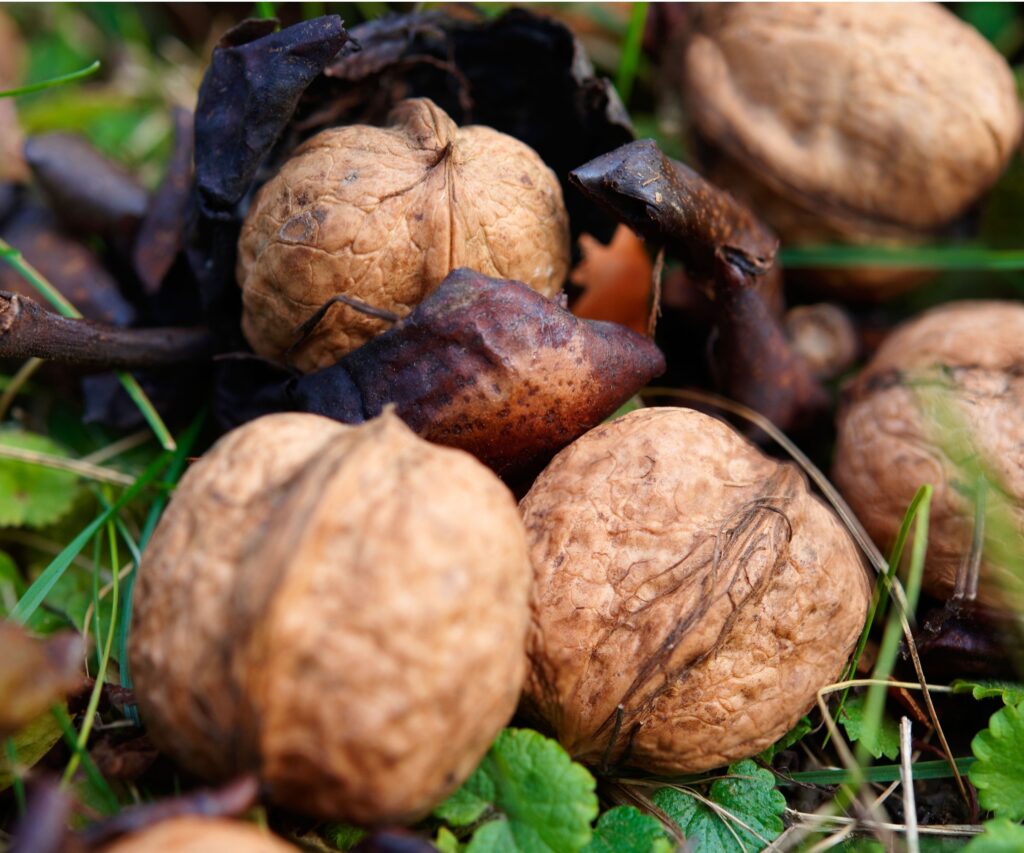
- The seed is tightly packed.
- It fills most of the shell’s interior.
- It is protected from damage and moisture
This protective structure allows walnut seeds to remain viable for planting and storage.
Walnut Seed vs Walnut Nut – What’s the Difference?
Technically, a walnut is classified as a seed, not a true nut.
Key Differences:
| Structure | Seed inside the shell | The entire fruit is a nut |
| Example | Walnut, almond | Acorn, hazelnut |
| Edible part | Inner seed | Whole nut |
This distinction is important in both agriculture and food classification.
How to Identify a Walnut Seed
You can identify a walnut seed using the following features:
- Brain-like shape
- Light brown color
- Two symmetrical halves
- Thin skin covering the seed
- Slightly oily texture
These features make walnut seeds easy to distinguish from other seeds.
Uses of Walnut Seeds
Walnut seeds are widely used in different industries.
Food Industry
Walnut seeds are used in:
- Baking and confectionery
- Snack products
- Cooking oils
- Health foods
They are valued for their rich flavor and nutritional benefits.
Agriculture and Planting
Walnut seeds can also be used for:
- Tree propagation
- Orchard farming
- Agroforestry systems
Farmers grow walnut trees for both nut production and timber.
Commercial Supply
Walnuts are traded globally as a high-value agricultural commodity.
👉 If you are looking for a bulk supply, you can view:
https://farmseedsfeeds.com/product/bulk-walnuts/
https://farmseedsfeeds.com/product/bulk-walnuts/
Suitable for:
- Food processors
- Distributors
- Export buyers
Can You Plant Walnut Seeds?
Yes, walnut seeds can be planted to grow walnut trees.
However, they require:
- Proper drying
- Cold stratification
- Suitable soil conditions
This process ensures successful germination and tree development.
Why Walnut Seeds Are Valuable
Walnut seeds are valued because they:
- Contain healthy fats
- Provide plant-based protein
- Have a strong global demand
- They are used in multiple industries
This makes them an important product in both agriculture and food supply chains.
FAQ – Walnut Seeds
What does a walnut seed look like?
A walnut seed looks like a wrinkled, brain-shaped kernel with two halves and a light brown color.
Is the walnut we eat the seed?
Yes. The edible part of a walnut is the seed inside the shell.
Can walnut seeds be planted?
Yes. Walnut seeds can grow into trees with proper preparation and conditions.
Are walnuts seeds or nuts?
Walnuts are technically seeds, even though they are commonly called nuts.