Email: sales@farmseedsfeeds.com
WhatsApp: +27 073 638 7398
Soybean Bales for Livestock Feed | Complete Guide

Soybean Bales for Livestock Feed – Uses, Benefits & Supply
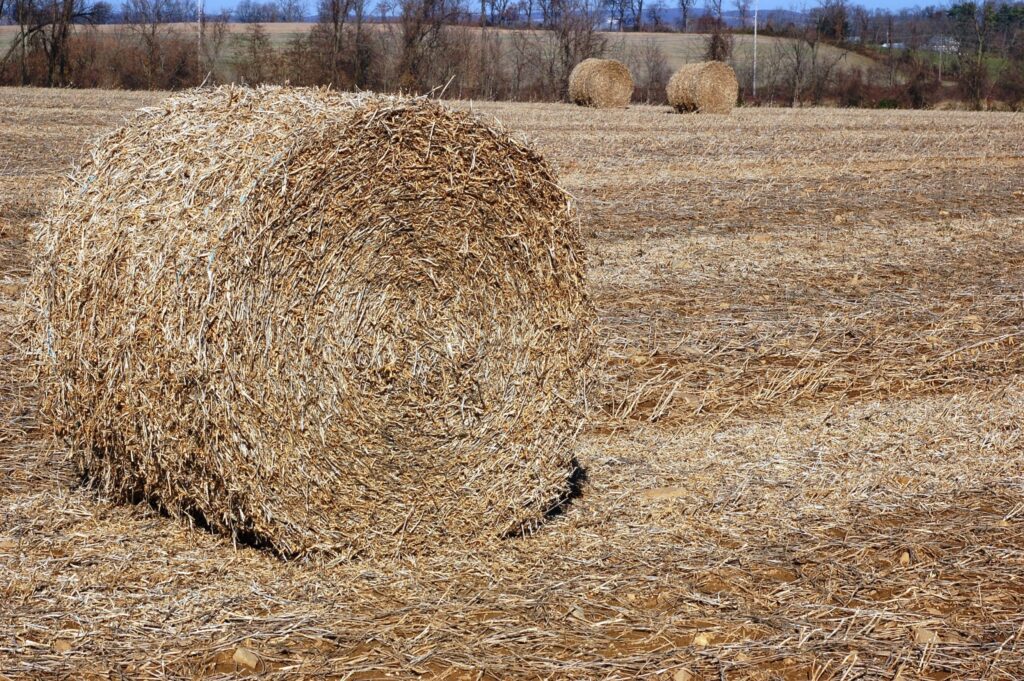
Soybeans are commonly known as a grain crop, but they can also be used as forage. One of the lesser-known uses is soybean bales, which are made from harvested soybean plants and used as livestock feed.
Farmers often look for alternative forage options, especially during dry seasons or when pasture is limited. Soybean bales provide a practical solution, offering both fibre and moderate protein for livestock.
In this guide, we explain what soybean bales are, how they are used, and their benefits in livestock feeding systems.
What Are Soybean Bales?
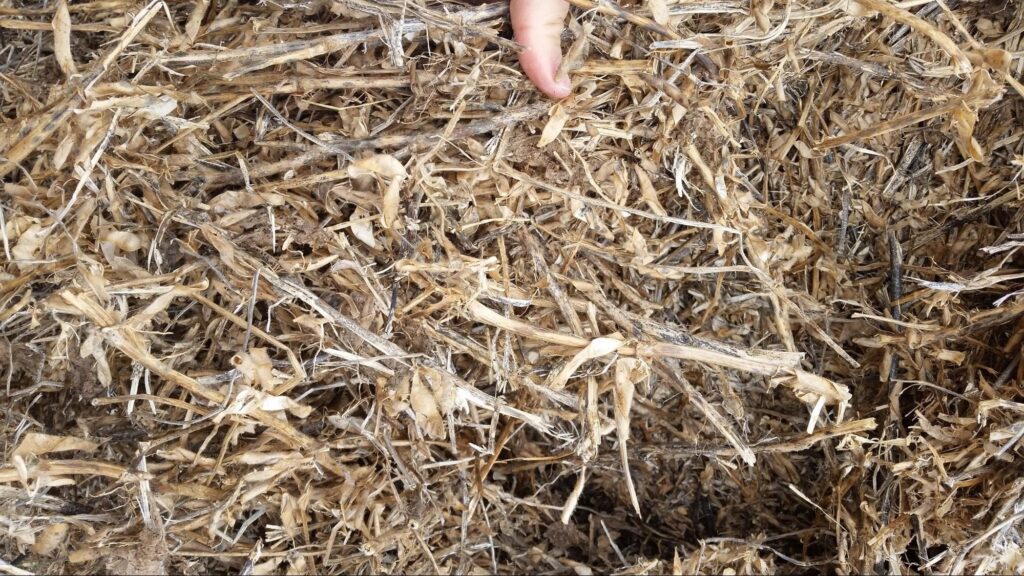
Soybean bales are made by cutting and drying the entire soybean plant, then compressing it into bales for storage and feeding.
Unlike soybean grain, which is harvested for processing, soybean bales are used as:
- Forage
- Roughage
- Supplemental livestock feed
These bales are similar to hay and are often called soybean hay.
How Soybean Bales Are Made
The process involves:
- Harvesting soybean plants before full maturity
- Drying the plants in the field
- Baling into compact units
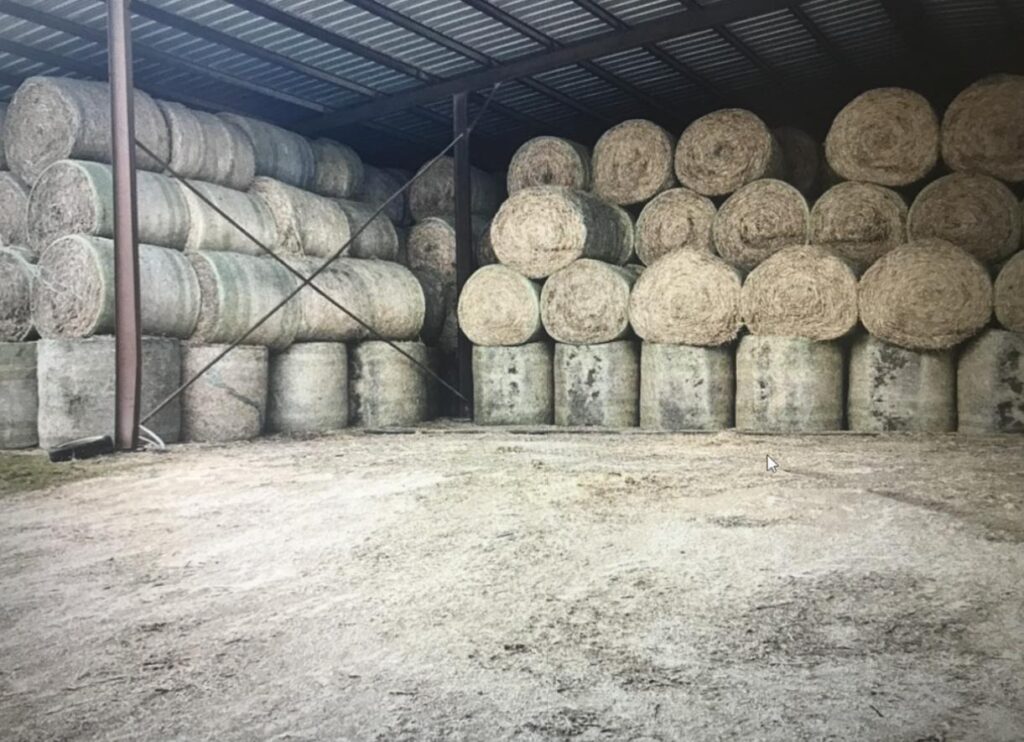
- Storing for later use
This method preserves the plant’s nutritional value and fibre content.
Uses of Soybean Bales
Cattle Feed
Soybean bales are commonly used for:
- Beef cattle feeding
- Dairy cattle supplementation
- Feedlot systems
They provide roughage and additional nutrients when pasture is limited.
Sheep and Goat Feeding
Soybean bales can also be used for:
- Sheep feeding programs
- Goat production systems
- Mixed livestock farms
They help maintain consistent feed availability.
Drought and Dry Season Feeding
Soybean bales are especially useful in:
- Dry climates
- Seasonal feed shortages
- Low pasture conditions
They act as a backup forage source when grazing is insufficient.
Nutritional Value of Soybean Bales
Soybean forage offers:
- Moderate protein levels
- Fibre for digestion
- Energy for livestock maintenance
While not as concentrated as soybean meal, soybean bales provide a balanced roughage option for feeding systems.
Soybean Bales vs Soybean Grain
| Use | Forage/roughage | Feed processing |
| Form | Whole plant | Seed |
| Protein | Moderate | High |
| Application | Grazing support | Feed formulation |
Both forms are valuable and often used together in complete feeding programs.
Benefits of Soybean Bales
Farmers use soybean bales because they:
- Provide an alternative forage source
- Help reduce feed shortages.
- Support livestock health
- Improve feeding flexibility
- Use existing soybean crops efficiently.
This makes them a practical solution for livestock producers and mixed farming systems.
When to Use Soybean Bales
Soybean bales are most useful when:
- Pasture is limited
- Feed costs are high
- Additional roughage is needed.
- Weather conditions affect grazing.
They help maintain consistent livestock nutrition year-round.
Where to Buy Soybeans in Bulk
While soybean bales are used as forage, soybean grain remains essential for feed production and processing.
👉 View bulk supply here:
https://farmseedsfeeds.com/product/soya-beans/
https://farmseedsfeeds.com/product/soya-beans/
Bulk soybeans are suitable for:
- Feed mills
- Livestock producers
- Agricultural distributors
FAQ – Soybean Bales
What are soybean bales?
Soybean bales are dried soybean plants used as forage for livestock.
Are soybean bales good for cattle?
Yes. They provide fibre and moderate protein for cattle feeding systems.
Can soybean bales replace hay?
They can be used as an alternative forage, but are often combined with other feeds.
What is the difference between soybean bales and soybean meal?
Soybean bales are forage, while soybean meal is a processed high-protein feed ingredient.