Email: sales@farmseedsfeeds.com
WhatsApp: +27 83 63 30 523
How Many Soybeans Are in a Bag?
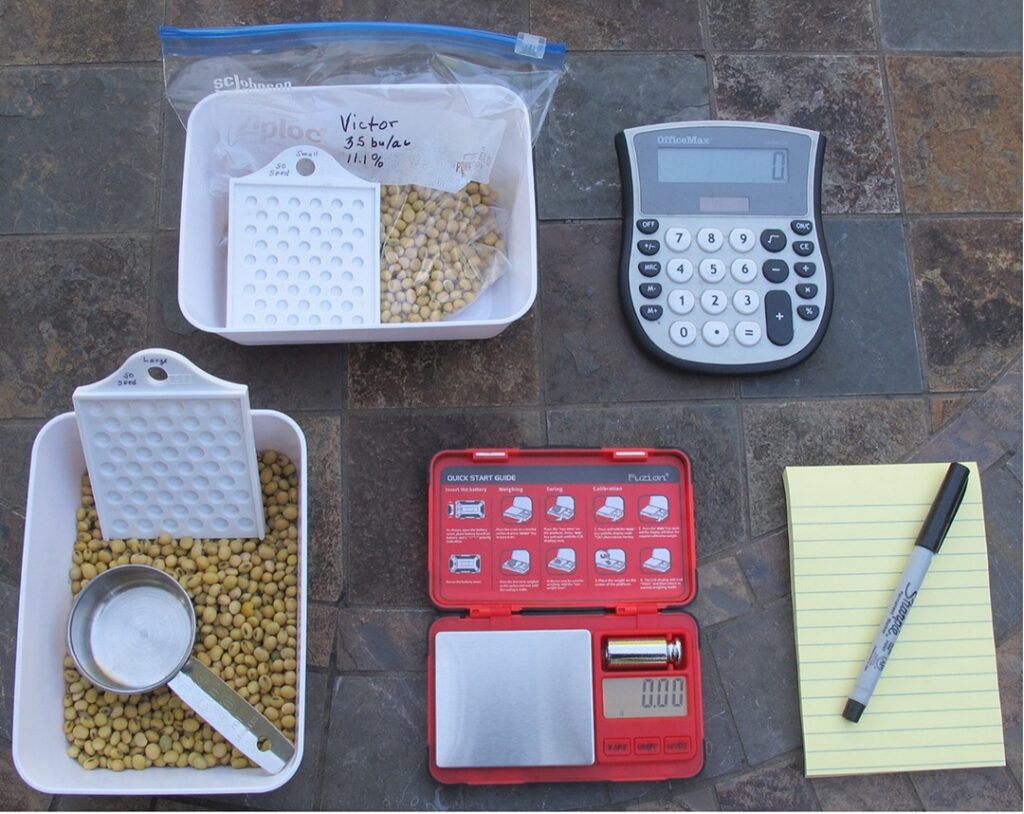
If you are wondering how many soybeans are in a bag, a standard commercial soybean seed bag commonly contains about 140,000 seeds. However, the exact number depends on whether the supplier sells the soybeans by seed count or by weight.
Soybean seed size varies between varieties and growing conditions. Therefore, a 25 kg, 50 lb, or 50 kg bag does not always contain the same number of soybeans.
For planting seed, commercial suppliers increasingly use a fixed seed count because it helps farmers calculate planting populations more accurately.
Quick Answer: How Many Soybeans Are in a Bag?
A common commercial soybean seed unit contains:
Approximately 140,000 soybean seeds per bag or unit.
However, some suppliers may use different seed counts.
For weight-based bags, the number depends on seed size.
For example:
| Soybean Package | Approximate Seed Count |
| Standard commercial seed unit | 140,000 seeds |
| 50 lb bag at 2,800 seeds/lb | 140,000 seeds |
| 25 kg bag at 2,800 seeds/lb | About 154,000 seeds |
| 50 kg bag at 2,800 seeds/lb | About 309,000 seeds |
These figures for weight-based bags are estimates. Always check the seed specification supplied with the actual product.
Why Does the Number of Soybeans in a Bag Vary?
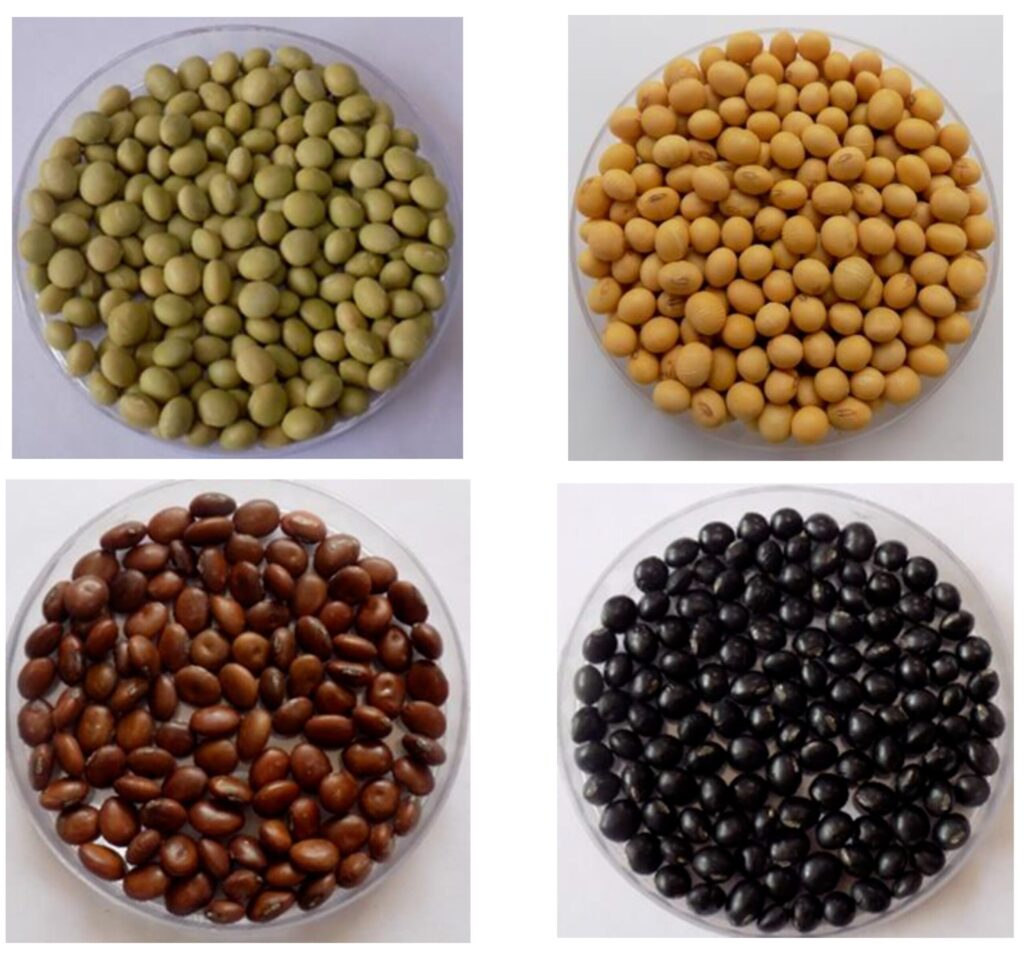
Soybean seeds are not all the same size.
Seed size can vary because of:
- Soybean variety
- Genetics
- Growing conditions
- Temperature
- Rainfall
- Conditions during seed filling
- Seed grading
Therefore, smaller soybeans result in more seeds per kilogram. Larger soybeans result in fewer seeds for the same total weight.
This difference explains why bag weight alone cannot always tell you exactly how many soybeans you are buying.
How Many Soybeans Are in a 50 lb Bag?
A 50 lb bag containing soybeans with an average seed size of 2,800 seeds per pound contains approximately:
2,800 × 50 = 140,000 soybean seeds
Therefore, a 50 lb soybean bag can contain around 140,000 seeds at this seed size.
However, this number changes with seed size.
For example, smaller soybean seeds will increase the number of seeds that fit within the same 50 lb weight.
How Many Soybeans Are in a 25 kg Bag?
A 25 kg bag weighs approximately 55.1 lb.
Using an example of 2,800 seeds per pound:
55.1 × 2,800 = approximately 154,000 soybean seeds
Therefore, a 25 kg soybean bag could contain approximately 154,000 seeds.
Again, this is an estimate. The actual number depends on the seed size of the specific soybean variety or lot.
How Many Soybeans Are in a 50 kg Bag?
A 50 kg bag weighs approximately 110.2 lb.
At an example seed size of 2,800 seeds per pound:
110.2 × 2,800 = approximately 309,000 soybean seeds
Therefore, a 50 kg bag could contain around 309,000 soybeans.
Because seed size varies, always use the seeds-per-pound or seeds-per-kilogram specification when an exact count is required
How Many Seeds Are in a Unit of Soybeans?
A commercial soybean seed unit commonly contains approximately 140,000 seeds.
Unlike a weight-based bag, a seed-count unit gives the farmer a known number of seeds.
For example, two bags could both contain 140,000 soybean seeds but have different weights. The bag containing larger seeds will weigh more, while the bag containing smaller seeds will weigh less.
This system makes planting calculations easier.
Soybean Bag vs Soybean Seed Unit
The terms soybean bag and soybean unit can cause confusion.
Soybean Seed Unit
A soybean seed unit is normally sold according to the number of seeds.
A common commercial standard is:
1 unit = approximately 140,000 soybean seeds
Weight-Based Soybean Bag
Commercial soybeans may also be supplied according to weight.
Common packaging includes:
- 25 kg bags
- 50 kg bags
- 50 lb bags
- Jumbo bags
- Bulk quantities
In this case, the total number of soybeans depends on individual seed size.
How Can You Calculate the Number of Soybeans in a Bag?
If you know the number of seeds per pound, calculating the approximate number of soybeans is straightforward.
Use:
Number of soybeans = bag weight in pounds × seeds per pound
For example, suppose your soybean lot contains 3,000 seeds per pound.
A 50 lb bag would contain approximately:
50 × 3,000 = 150,000 soybean seeds
A different soybean lot containing only 2,500 seeds per pound would give:
50 × 2,500 = 125,000 soybean seeds
Therefore, two bags with identical weights could contain very different numbers of soybeans.
Why Are Soybean Seeds Sold by Count?
Selling soybean planting seed by count helps farmers know how many seeds they are actually purchasing.
This makes it easier to calculate:
- Planting populations
- Seeds required per acre
- Seeds required per hectare
- Number of bags required
- Seed costs
- Planter settings
As a result, farmers can plan their planting programme more accurately.
Does Soybean Seed Size Matter?
Yes, seed size matters when calculating the number of seeds in a weight-based bag.
However, seed size should not be confused with seed quality.
Larger soybean seeds do not automatically mean better seeds, while smaller seeds do not necessarily indicate poor quality.
Farmers should consider factors such as:
- Germination percentage
- Seed purity
- Variety
- Seed health
- Recommended planting population
- Local growing conditions
Therefore, seed count is only one part of selecting soybean planting seed.
Why Is Soybean Seed Count Important?
Knowing how many soybeans are in a bag helps farmers estimate how much seed they need.
Accurate seed counts support:
- Better planting-rate calculations
- More accurate plant populations
- Proper planter calibration
- Better purchasing decisions
- More accurate seed budgeting
- Reduced waste
Commercial growers should therefore calculate seed requirements according to their target population rather than relying only on bag weight.
How Many Soybean Bags Do I Need?
The number of soybean bags required depends on:
- Farm size
- Target seeds per acre or hectare
- Seeds per bag
- Germination percentage
- Expected field emergence
- Planting method
For example, if your target planting rate is 140,000 seeds per acre and each bag contains 140,000 seeds, you would theoretically require approximately one bag per acre.
However, actual planting rates vary. Always follow local agronomic recommendations for your variety, location, and production system.
Soybeans for Planting vs Soybeans for Feed
Another important distinction is the intended use.
Soybeans for Planting
Planting seed is selected and prepared for crop establishment. Buyers should consider germination, purity, variety, and seed treatment.
Soybeans for Animal Feed
Feed soybeans are purchased primarily according to nutritional and feed-processing specifications.
Soybeans for Food Processing
Food-grade soybeans may require specific standards for variety, appearance, protein content, and other characteristics.
Therefore, commercial buyers should tell their supplier exactly how they intend to use the soybeans.
Buying Soybeans in Bulk
Farm Seeds & Feeds supplies soybeans in commercial quantities for agricultural and wholesale buyers.
Bulk buyers should provide:
- Required quantity
- Intended use
- Preferred packaging
- Required specifications
- Destination country
- Delivery location or port
This information helps suppliers provide a more accurate quotation and suitable product specification.
Frequently Asked Questions
How many soybeans are in a bag?
A standard commercial soybean planting-seed bag commonly contains approximately 140,000 seeds. However, weight-based bags do not have a fixed seed count because soybean seed size varies.
How many soybeans are in a 50 lb bag?
At an average seed size of 2,800 seeds per pound, a 50 lb bag contains approximately 140,000 soybean seeds.
How many soybeans are in a 25 kg bag?
At 2,800 seeds per pound, a 25 kg bag contains approximately 154,000 soybeans. The actual number can vary according to seed size.
How many soybeans are in a 50 kg bag?
At 2,800 seeds per pound, a 50 kg bag contains approximately 309,000 soybeans. This figure is an estimate because seed size varies.
How many seeds are in a unit of soybeans?
A commonly used commercial soybean seed unit contains approximately 140,000 seeds.
Are all soybean bags the same size?
No. Soybeans may be packaged by weight or seed count. Packaging and commercial standards also vary between suppliers and markets.
Why do soybean seed bags have different weights?
If bags are sold according to a fixed seed count, larger seeds produce a heavier bag while smaller seeds produce a lighter bag.
Conclusion
So, how many soybeans are in a bag?
For commercial planting seed, approximately 140,000 seeds per bag or unit is a widely used standard.
However, weight-based soybean bags do not contain a fixed number of seeds. The actual count depends primarily on seed size.
As an example, at 2,800 seeds per pound:
- A 50 lb bag contains about 140,000 seeds.
- A 25 kg bag contains about 154,000 seeds.
- A 50 kg bag contains about 309,000 seeds.
Therefore, always check the seed-count specification before calculating planting requirements.
Looking for Bulk Soybeans?
Farm Seeds & Feeds supplies soybeans and agricultural commodities to commercial buyers, farmers, feed manufacturers, wholesalers, and international customers.
Contact us for:
- Bulk soybean availability
- Product specifications
- Packaging options
- Minimum order quantities
- Wholesale quotations
- Export enquiries
- International delivery
Contact Farm Seeds & Feeds today to request a bulk soybean quotation.