Email: sales@farmseedsfeeds.com
WhatsApp: +27 073 638 7398
Feed Rations Guide for Cattle | Balanced Feed Plans

Feed Rations for Cattle: Ultimate Guide for Feedlot & Grazing Systems
Feed rations determine how efficiently cattle convert feed into weight gain. This guide explains what feed rations are, how to formulate them, and how to source quality bulk ingredients for your farm.
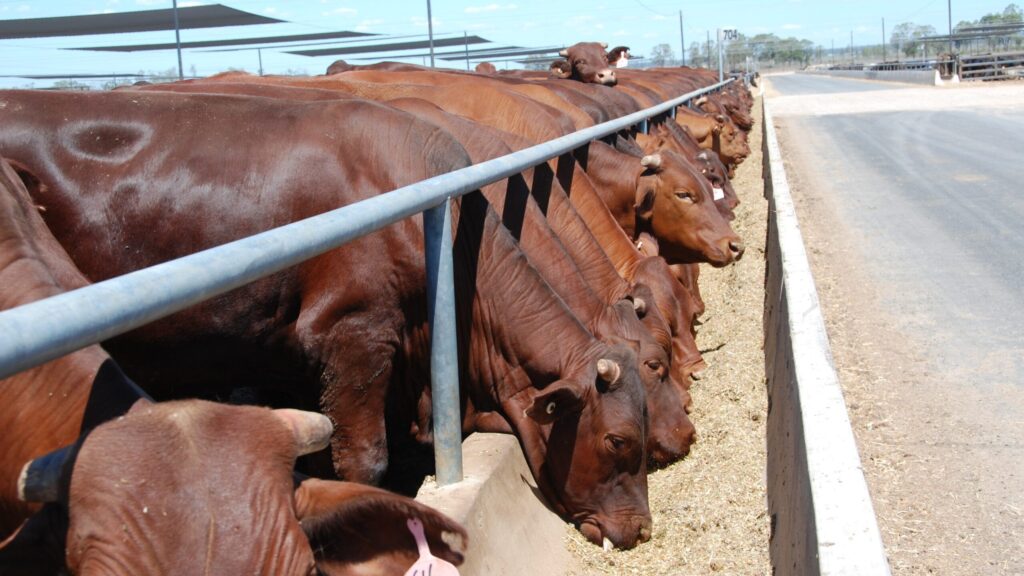
What Are Feed Rations?
Feed rations are precisely balanced mixtures of feed ingredients designed to meet the nutritional needs of livestock. A proper ratio provides proteins, carbohydrates, fats, minerals, and vitamins in proportions that support:
- healthy growth
- efficient feed conversion
- strong immune systems
- improved productivity
In feedlot and grazing systems alike, understanding ration balance is fundamental to herd performance and profitability.
Feed Ration Fundamentals
Every feed ration has five basic components:
1. Energy Sources
Cattle need energy for growth and activity.
Common ingredients:
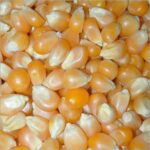
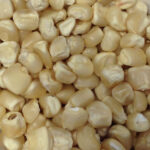
- maize (corn)
- sorghum
- barley
These are available in bulk: Bulk Bagged Feed Grains
2. Protein Sources
Protein fuels muscle development and rumen function.
Typical protein ingredients:
3. Fiber & Roughage
Fiber helps maintain healthy digestion and rumen function.
Sources include:
- hay
- silage
- pasture forage
Balanced fiber prevents digestive disorders in cattle.
4. Minerals & Vitamins
Essential micronutrients keep cattle healthy.
Common additions:
- salt
- calcium
- phosphorus
- trace minerals
Minerals help prevent deficiencies and support growth.
5. Supplements
Supplements such as molasses or buffers improve palatability and digestion.
Feed Rations for Different Cattle Stages
Starter Rations
For young cattle adapting from milk or forage.
- higher fiber
- moderate energy
- gentle transition to concentrated feeds
Grower Rations
For consistent muscle and skeletal development.
- balanced energy + protein
- supports steady daily gain
Finisher Rations
For final weight gain before market or slaughter.
- high energy
- optimal protein
- efficient weight gain
- fast feed conversion
Often based on maize plus quality protein meals to accelerate growth.
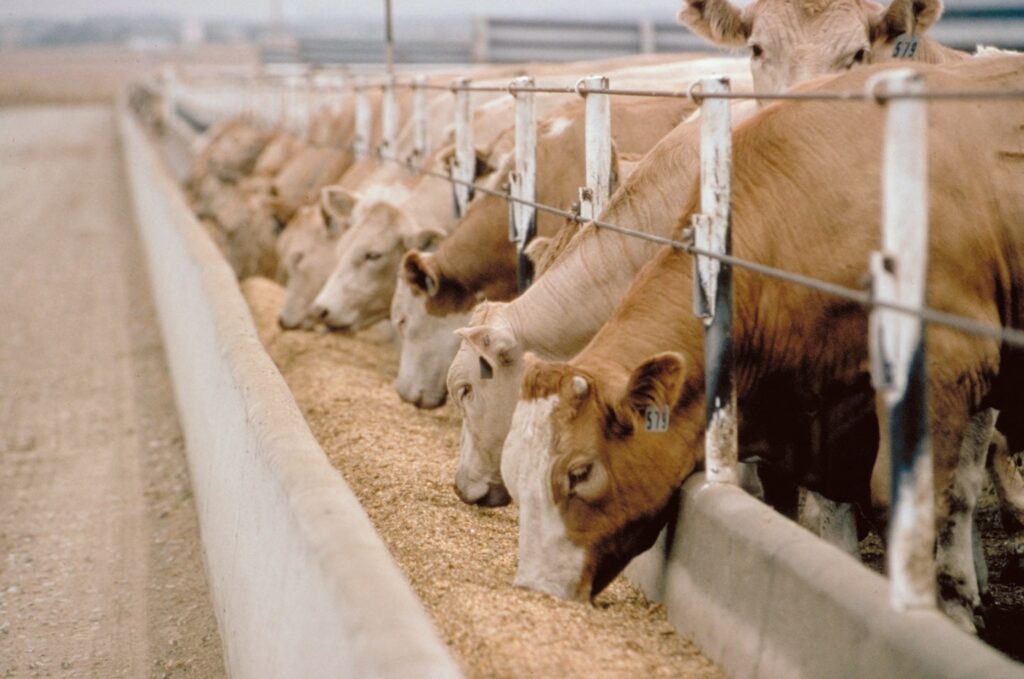
Example Feed Ration (Per 100 kg)
Here’s a sample feed ration commonly used in feedlot operations:
| Maize grain | 60% |
| Soybean meal | 20% |
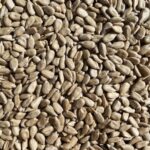
| Sunflower meal | 10% |
| Mineral premix | 5% |
| Molasses/supplements | 5% |
This balanced mix supports beef cattle in finishing phases, ensuring rapid weight gain and efficient feed conversion.
Why Balanced Feed Rations Matter
1. Efficient Weight Gain
Balanced rations minimize wasted feed and maximize daily weight gain.
2. Lower Feed Costs
Good ration planning improves feed conversion ratios (FCR), meaning more weight per unit of feed.
3. Better Health
Proper nutrition reduces disease risk and strengthens immunity.
4. Consistent Performance
Balanced rations help achieve predictable results across herds.
How to Formulate Feed Rations
Feed ration formulation is both an art and a science. Successful rationing requires:
- Understanding animal needs
- knowing ingredient nutrient profiles
- balancing energy, protein, & minerals
Livestock nutritionists often use software or lab analyses to refine rations for specific herd goals.
Where to Source Bulk Feed Ingredients
For commercial feed rations, you need a bulk supply and consistent quality. FarmSeedsFeeds.com supplies:
🔹 Feed Grains
Bulk maize, sorghum, barley
👉 Feed Grains
👉 Feed Grains
🔹 Protein Meals
- Soybean meal
- Sunflower meal
👉Animal Feed Blends
🔹 Supplements & Additives
Mineral blocks/licks
👉 Cattle Mineral Licks
👉 Cattle Mineral Licks
Buying in bulk saves cost and simplifies ration formulation.
Feed Rations in Feedlot Operations
Feedlot systems confine cattle and use controlled, high-energy rations to maximize growth.
In a feedlot:
- Cattle are grouped by weight/age
- Rations are measured daily
- performance is monitored closely
This system increases efficiency compared to grazing alone.
Common Mistakes in Feed Rations
❌ Too much energy without protein
❌ Low micronutrients
❌ Inconsistent ingredient supply
❌ Sudden ration changes
❌ Low micronutrients
❌ Inconsistent ingredient supply
❌ Sudden ration changes
These can lead to:
- Poor weight gain
- digestive issues
- health problems
Consistent bulk supply of quality ingredients is key.
Final Thoughts
Feedlotting is one of the most efficient ways to finish beef cattle.
Success depends largely on:
- High-energy feed
- Proper protein balance
- Consistent supply
- Good management
With the right feedlot ration, farmers can achieve faster growth and higher profitability.
FAQ
What are feed rations?
Feed rations are balanced mixes of feed ingredients designed to meet the nutritional needs of livestock.
Feed rations are balanced mixes of feed ingredients designed to meet the nutritional needs of livestock.
Why do ration ingredients matter?
Each ingredient supplies specific nutrients — energy, protein, fiber, or minerals — essential for health and growth.
Each ingredient supplies specific nutrients — energy, protein, fiber, or minerals — essential for health and growth.
What is a good ratio for beef cattle?
A balanced mix of energy (maize), protein (soybean/sunflower meal), and minerals delivers optimal performance.
A balanced mix of energy (maize), protein (soybean/sunflower meal), and minerals delivers optimal performance.
Can I source all ingredients in bulk?
Yes — FarmSeedsFeeds.com supplies feed grains and protein meals in bulk.
Yes — FarmSeedsFeeds.com supplies feed grains and protein meals in bulk.
How do feedlot rations differ from grazing rations?
Feedlot rations are high-energy and concentrated, while grazing diets rely more on pasture forage.
Feedlot rations are high-energy and concentrated, while grazing diets rely more on pasture forage.
Download Feed Rations Guide
Want a professional printable guide on feed ration formulation?
(Contact us if you want this emailed or branded with your farm logo.)