Email: sales@farmseedsfeeds.com
WhatsApp: +27 83 63 30 523
What Is the Difference Between Maize and Corn?
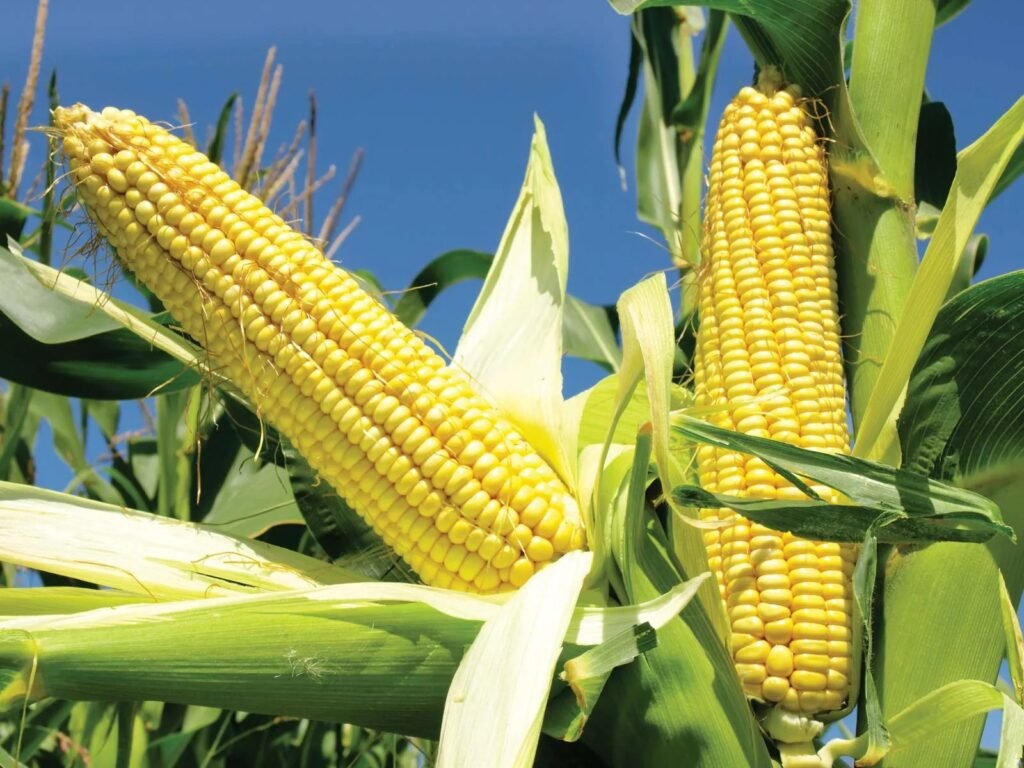
Many farmers, traders, and consumers ask, “What is the difference between maize and corn?” The simple answer is that there is no botanical difference. Both names refer to the same cereal crop, Zea mays. The main difference lies in the language and region in which the crop is discussed.
In the United States and Canada, people commonly use the word corn. In South Africa, much of Africa, Europe, and many international agricultural markets, the crop is more often called maize. Therefore, whether you say “maize” or “corn,” you are referring to the same plant. However, different varieties are grown for food, livestock feed, and industrial processing.
Understanding the Difference Between Maize and Corn
Are Maize and Corn the Same?
Yes. Maize and corn are the same crop.
The names differ because of regional language preferences:
- United States – Corn
- Canada – Corn
- South Africa – Maize
- Zambia – Maize
- Zimbabwe – Maize
- Kenya – Maize
- International agricultural organizations – Maize
Consequently, buyers and suppliers often use different terms depending on their location.
White Maize vs Yellow Corn
Discuss the common uses:
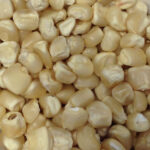
- White maize – maize meal, flour, grits and food processing.
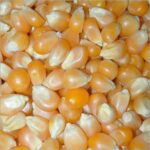
- Yellow corn – livestock feed, poultry feed, ethanol and industrial processing.
Maize vs Corn for Animal Feed
Explain that yellow corn is the most common feed grain, while white maize may also be used in livestock diets depending on regional availability.
Maize vs Corn Around the World
Include examples:
- United States – Corn
- Canada – Corn
- South Africa – Maize
- Zambia – Maize
- Zimbabwe – Maize
- Kenya – Maize
- Brazil – Both terms may be encountered depending on context
- Europe – Maize is more commonly used in agriculture.
Yes.
Corn and maize are the same crop.
The scientific name is:
Zea mays
In most international agricultural markets, the term maize is preferred.
In the United States and Canada, the term “corn” is more commonly used.
Therefore:
| Corn | Same crop |
| Maize | Same crop |
| Zea mays | Scientific name |
There is no biological difference between corn and maize.
🌾 Why Do Some People Say Corn While Others Say Maize?
The word maize comes from the Taíno word mahiz, which early European explorers adopted to describe the crop. Over time, the United States popularised the term corn for Zea mays, while many other countries continued to use maize, especially in agriculture and scientific publications.
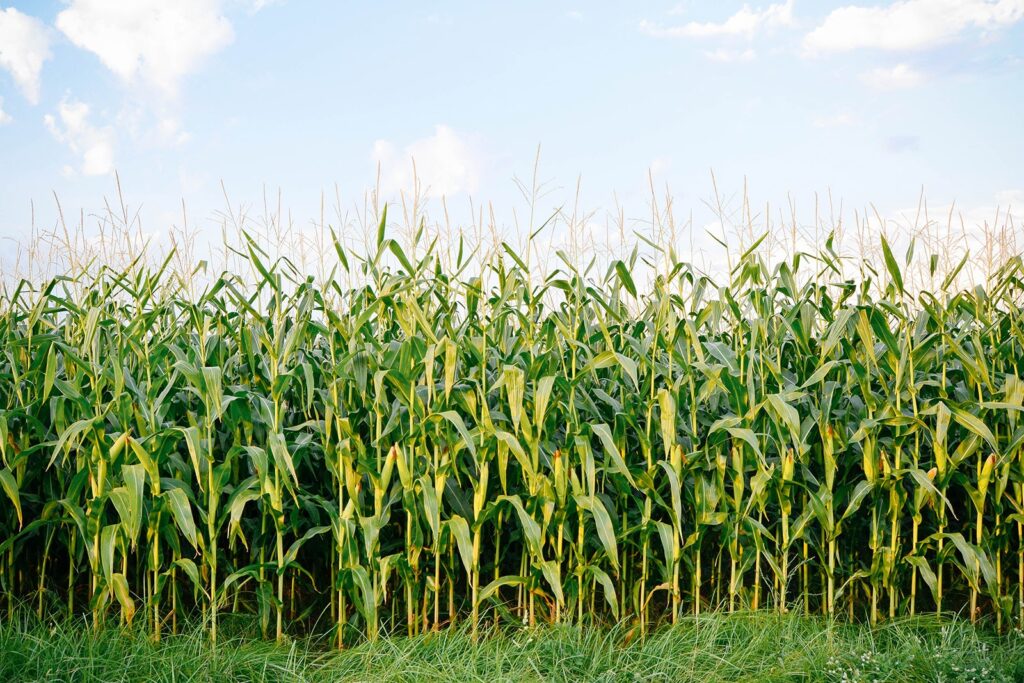
The difference is mostly regional.
North America
People commonly use:
- Corn
- Sweet corn
- Corn grain
- Corn feed
Africa, Europe, and International Trade
Agricultural industries commonly use:
- Maize
- White maize
- Yellow maize
- Maize grain
As a result, grain buyers often encounter both terms in global agricultural trade.
🌾 Corn vs Maize
The difference between corn and maize is mostly linguistic and regional rather than botanical.
In agriculture and international trade:
- “Maize” is more formal.
- “Corn” is more common in North America.
In food applications:
People commonly say:
- corn flour
- popcorn
- sweet corn
- corn meal
Instead of using the word maize.
🐄 Maize Corn for Animal Feed
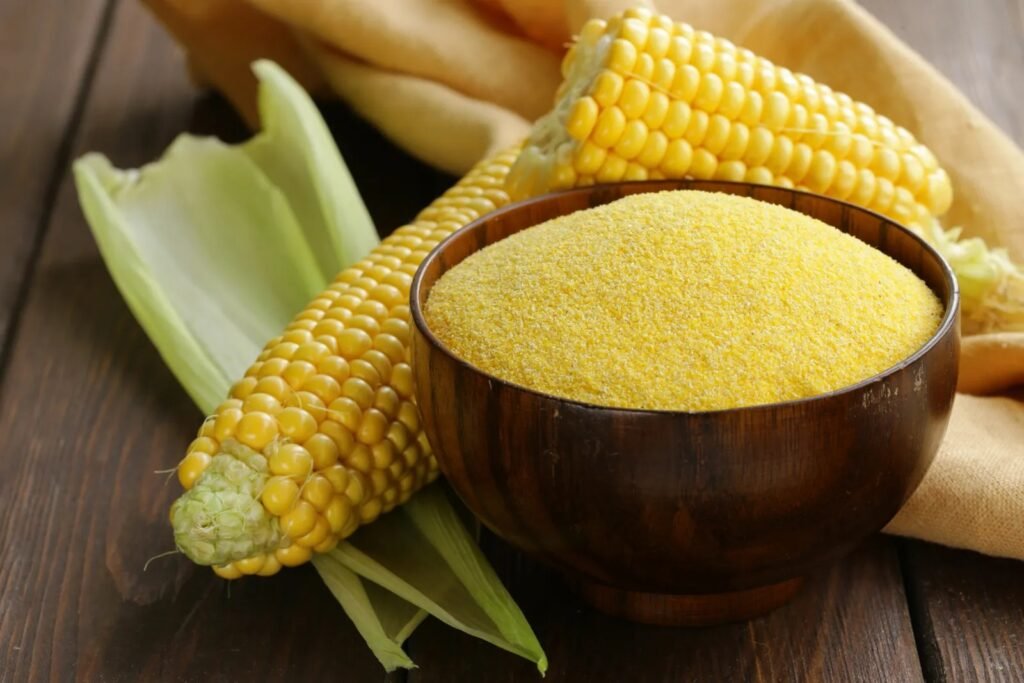
Maize remains one of the most important livestock feed grains because it provides high-starch energy and supports animal growth.
Feed maize is commonly used in:
- Cattle feed
- Poultry feed
- Dairy farming
- Pig feed systems
- Commercial feed manufacturing
Field corn is especially important in livestock feeding systems and feed grain production.
👉 Looking for feed maize products?
See our:
See our:
Maize (Field Use)
- Grown as a crop in large fields
- Used for animal feed and silage
- High starch and energy content
👉 Most livestock feed uses maize grain
Corn (Food Use)
- Refers to edible varieties
- Includes sweet corn, popcorn, and baby corn
- Used in human food production
🌱 Uses of Maize Corn
Maize corn supports many agricultural and industrial industries, including:
- Food manufacturing
- Livestock feed production
- Corn starch processing
- Ethanol production
- Grain trade
Globally, maize remains one of the most important cereal crops after wheat and rice.
👉 Looking for supply?
View our corn feed for animals available in bulk
View our corn feed for animals available in bulk
🚜 Benefits of Maize Corn
Key benefits include:
- High energy grain value
- Suitable livestock feed ingredient
- Commercial agricultural use
- Global grain trade importance
- Food and industrial versatility
Furthermore, maize continues to support modern agriculture because it adapts well to large-scale farming systems.
🌍 Importance of Maize in Agriculture
Maize continues to support global agriculture because it is widely used in:
- Animal feed production
- Poultry nutrition
- Food manufacturing
- Industrial processing
- Commercial grain farming
As livestock and food industries continue to grow globally, maize and corn remain essential in modern agricultural production systems.
📦 Bulk Maize Corn Supply
Commercial farms and grain distributors often source maize corn in:
- Bulk agricultural quantities
- 25KG bags
- 50KG bags
- Commercial grain packaging
Bulk grain supply supports:
- Farms
- Feed manufacturers
- Agricultural cooperatives
- Commercial livestock operations
Supply availability may vary depending on season and market demand.
🚛 Storage Recommendations
For best grain quality:
- Store maize in dry conditions
- Avoid moisture exposure
- Use ventilated storage
- Protect grain from pests.
Proper storage helps maintain grain quality and feed value.
📞 Bulk Maize Corn Supply
Looking for maize or corn for livestock feed?
Contact Farm Seeds & Feeds for:
- pricing
- bulk orders
- wholesale grain supply
- delivery availability
Frequently Asked Questions
Is maize and corn the same?
Yes. Maize and corn are the same crop (Zea mays). The name used depends mainly on the country and context.
Yes. Maize and corn are the same crop (Zea mays). The name used depends mainly on the country and context.
Why do Americans say corn instead of maize?
In the United States, “corn” became the common everyday term, whereas “maize” is more common internationally and in scientific or agricultural contexts.
In the United States, “corn” became the common everyday term, whereas “maize” is more common internationally and in scientific or agricultural contexts.
Which is better, maize or corn?
Neither is better—they are the same crop. The choice between white and yellow varieties depends on the intended use, such as food production or livestock feed.
Neither is better—they are the same crop. The choice between white and yellow varieties depends on the intended use, such as food production or livestock feed.