Email: sales@farmseedsfeeds.com
WhatsApp: +27 83 63 30 523
Yellow Maize vs White Maize: What's the Difference?
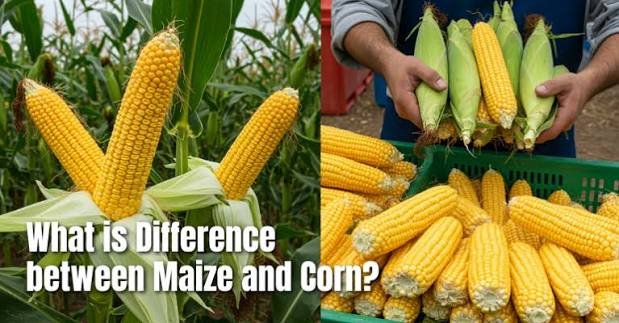
When comparing yellow maize vs. white maize, the most obvious difference is colour. However, their common uses, nutritional characteristics, and market demand can also differ.
Both yellow and white maize come from the same species, Zea mays. Therefore, both can provide energy for livestock and serve as important agricultural grains.
The main practical difference is how different markets use them. Yellow maize is widely associated with animal feed, while white maize plays an important role in human food production, especially in parts of Africa and other maize-consuming regions.
So, which one should you buy?
The answer depends on whether you need maize for livestock feed, poultry production, milling, food processing, or commercial grain trading.
Yellow Maize vs White Maize: Quick Comparison
| Feature | Yellow Maize | White Maize |
| Colour | Yellow to golden | White to cream |
| Species | Zea mays | Zea mays |
| Common use | Animal feed and processing | Human food and milling |
| Livestock feed | Excellent | Suitable |
| Poultry feed | Widely used | Can be used |
| Maize meal | Used in some markets | Widely preferred in many African markets |
| Carotenoid pigments | Generally higher | Generally lower |
| Commercial grain | Yes | Yes |
| Bulk supply | Available | Available |
Therefore, neither type is universally “better.” The intended application matters more.
What Is Yellow Maize?
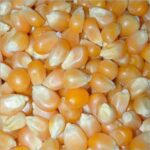
Yellow maize is a variety of maize with yellow or golden kernels.
The colour comes largely from natural carotenoid pigments within the grain.
Farmers and feed manufacturers commonly use yellow maize in:
- Poultry feed
- Cattle feed
- Pig feed
- Dairy feed
- Commercial compound feed
- Starch production
- Industrial processing
Because maize provides substantial dietary energy, yellow maize is one of the most important grains in commercial animal feeding.

What Is White Maize?
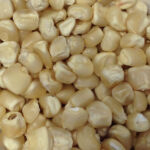
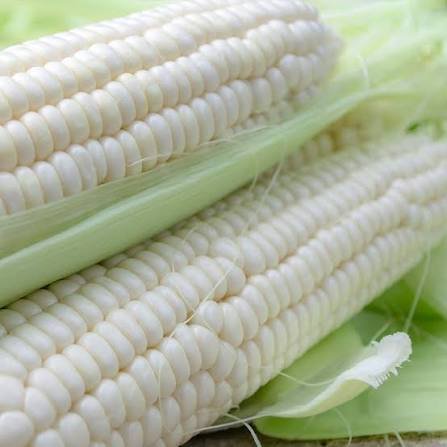
White maize has white or cream-coloured kernels and contains much lower levels of the pigments responsible for yellow maize’s colour.
It is especially important for human food production in many African markets.
Processors commonly use white maize for:
- Maize meal
- Maize flour
- Porridge
- Grits
- Traditional foods
- Snack products
- Commercial milling
However, white maize can also be used in livestock feed.
Therefore, describing white maize as “food maize” and yellow maize as “feed maize” is useful as a general market distinction, but it is not an absolute rule.
What Is the Main Difference Between Yellow Maize and White Maize?
The main visible difference is the kernel colour.
Yellow maize contains carotenoid pigments that produce its characteristic yellow appearance. White maize lacks significant amounts of these yellow pigments.
However, colour is not the only consideration.
Commercial buyers should also compare:
- Intended use
- Nutritional specifications
- Moisture
- Grain quality
- Protein content
- Foreign material
- Broken kernels
- Storage condition
- Origin
- Price
Therefore, buyers should choose maize according to specifications rather than colour alone.
Yellow Maize vs White Maize for Animal Feed
For commercial livestock production, both types can provide energy.
However, yellow maize is widely used for animal feed, particularly in poultry, pig, and livestock-feed formulations.
Feed manufacturers commonly combine maize with protein-rich ingredients such as:
- Soybean meal
- Canola meal
- Peanut meal
- Sunflower meal
- Feed supplements
This creates a more balanced feed because maize primarily contributes energy while other ingredients provide additional protein, amino acids, vitamins, and minerals.
Is Yellow Maize Better for Poultry?
Yellow maize is particularly popular in poultry feed.
In addition to supplying energy, yellow maize contains natural pigments that can influence the colour of egg yolks and poultry skin.
Consequently, many commercial poultry-feed manufacturers prefer yellow maize where these pigmentation characteristics are desirable.
However, maize alone does not provide a complete poultry diet.
Feed formulators must balance it with appropriate protein sources, minerals, vitamins, and other nutrients.
Can White Maize Be Used for Animal Feed?
Yes.
Farmers and feed manufacturers can use white maize in animal-feed formulations.
It can provide energy for:
- Cattle
- Poultry
- Pigs
- Dairy animals
- Other livestock
Nevertheless, market economics often influence the decision.
In regions where consumers strongly prefer white maize for human food, food markets may compete for the same grain. As a result, yellow maize may be more commonly directed toward commercial animal feed.
Yellow Maize vs White Maize Nutrition
Both yellow and white maize provide carbohydrates and energy.
Their basic macronutrient composition can be broadly similar, although exact nutritional values vary according to variety, growing conditions, and grain quality.
One notable difference involves carotenoids.
Yellow maize contains pigments such as carotenoids, while white maize contains much lower amounts of these yellow pigments.
Therefore, buyers should avoid assuming that colour alone means one type contains substantially more protein or energy than the other.
For commercial feed production, the actual laboratory analysis of the grain provides better information.
Yellow Maize vs White Maize for Cattle
Both yellow and white maize can be used in cattle diets.
Maize provides a concentrated source of energy and can support:
- Beef production
- Feedlot diets
- Dairy feeding
- Weight gain
- Mixed livestock rations
However, cattle producers should introduce and balance high-starch grains appropriately within the complete diet.
Forage and protein ingredients remain important components of a balanced cattle-feeding programme.
Yellow Maize vs White Maize for Dairy Cows
Dairy producers can use either yellow or white maize as an energy ingredient.
The better commercial choice depends on:
- Price
- Availability
- Grain quality
- Nutritional analysis
- Processing method
- Complete ration formulation
Therefore, dairy farmers should evaluate maize as part of the entire ration rather than selecting grain solely by colour.
Yellow Maize vs White Maize for Human Consumption
White maize plays an especially important role in human diets across Southern Africa and several other regions.
Food processors use it to produce products such as:
- Maize meal
- Porridge
- Flour
- Grits
- Traditional maize foods
Yellow maize is also suitable for human consumption and is widely eaten in many countries.
However, consumer preferences vary considerably by region.
This difference in market preference helps explain why white maize may command strong demand from food processors in some countries, while yellow maize moves heavily into livestock-feed markets.
Is Yellow Maize the Same as Corn?
Yes.
Maize and corn refer to the same crop species, Zea mays.
The terminology mainly depends on region.
For example, people in the United States commonly say corn, while maize is widely used across Africa and in international agricultural terminology.
Therefore:
Yellow maize = yellow corn
and
White maize = white corn
The crop is the same; the terminology differs.
Which Maize Is Best for Animal Feed?
There is no universal answer.
However, yellow maize is widely used in commercial animal feed because of its availability, energy value, and established role in feed manufacturing.
When choosing maize for feed, buyers should examine:
- Energy value
- Moisture
- Grain condition
- Mycotoxin specifications
- Protein level
- Foreign material
- Broken kernels
- Storage quality
- Price per metric ton
These factors can matter more than kernel colour alone.
Which Is Better: Yellow Maize or White Maize?
The better choice depends on your intended use.
Choose Yellow Maize When:
- Producing poultry feed
- Manufacturing livestock feed
- Supplying feed mills
- Pig feeding
- Cattle feeding
- Natural yellow pigmentation is desirable
Choose White Maize When:
- Producing maize meal
- Milling flour
- Supplying human-food markets
- Manufacturing traditional maize foods
- Serving markets that prefer white maize
However, both types can serve several applications.
Bulk Yellow Maize Supply
Farm Seeds & Feeds supplies yellow maize for commercial buyers, including:
- Feed manufacturers
- Poultry farms
- Cattle producers
- Pig farms
- Dairy operations
- Agricultural distributors
- Commodity traders
Bulk packaging and commercial quantities are available according to customer requirements
Bulk White Maize Supply
We also supply white maize for:
- Food processors
- Grain millers
- Maize meal producers
- Wholesalers
- Agricultural distributors
- Livestock-feed buyers
- International commodity traders
Buyers should specify their required grade, quantity, packaging, and destination when requesting a quotation.
Frequently Asked Questions
What is the difference between yellow maize and white maize?
The most visible difference is kernel colour. Yellow maize contains carotenoid pigments that give it a yellow or golden colour, while white maize lacks significant levels of these pigments. Their common commercial uses also differ by market.
Is yellow maize better than white maize for animal feed?
Yellow maize is widely used in commercial animal feed, particularly poultry feed. However, white maize can also provide energy in properly formulated livestock diets.
Can cows eat white maize?
Yes. White maize can form part of cattle diets when incorporated into a properly balanced feeding programme.
Why is yellow maize used for animal feed?
Yellow maize provides a concentrated energy source and is widely available in commercial grain markets. Its natural pigments are also useful in some poultry-feed applications.
Which maize is better for human consumption?
Both are suitable for human consumption. However, many African markets strongly prefer white maize for maize meal and traditional foods, while preferences vary elsewhere.
Is yellow maize the same as yellow corn?
Yes. Yellow maize and yellow corn refer to the same crop.
Is white maize the same as white corn?
Yes. The terms describe white-kernel varieties of Zea mays.
Which maize should I buy for poultry feed?
Yellow maize is widely used for commercial poultry feed. Nevertheless, buyers should also consider grain quality, nutritional specifications, price and the complete feed formulation.
Conclusion: Yellow Maize vs White Maize
When comparing yellow maize vs. white maize, neither grain is automatically better in every situation.
Both come from the same crop species and can provide valuable energy. However, their common commercial markets differ.
Yellow maize is widely used for poultry, cattle, pig, and commercial animal feed.
White maize, meanwhile, plays a major role in maize meal, flour, milling, and human-food markets, although farmers can also use it for livestock feed.
Therefore, choose maize according to its intended application, quality specifications, availability and price rather than colour alone.
Looking for Yellow or White Maize in Bulk?
Farm Seeds & Feeds supplies bulk yellow maize and white maize to feed manufacturers, food processors, commercial farms, grain traders and international buyers.
Contact us for:
- Current maize prices
- Product specifications
- Yellow maize quotations
- White maize quotations
- Bulk orders
- Packaging options
- Export enquiries
- Delivery information
- Long-term supply agreements
Contact Farm Seeds & Feeds today with your required quantity and destination for a commercial maize quotation.