Email: sales@farmseedsfeeds.com
WhatsApp: +27 83 63 30 523
What Is in Blood Meal Fertilizer & How It Benefits Soil
Introduction
Organic gardeners and commercial growers often ask:
What nutrients are in blood meal?
What’s in blood meal fertilizer?
What’s in blood meal fertilizer?
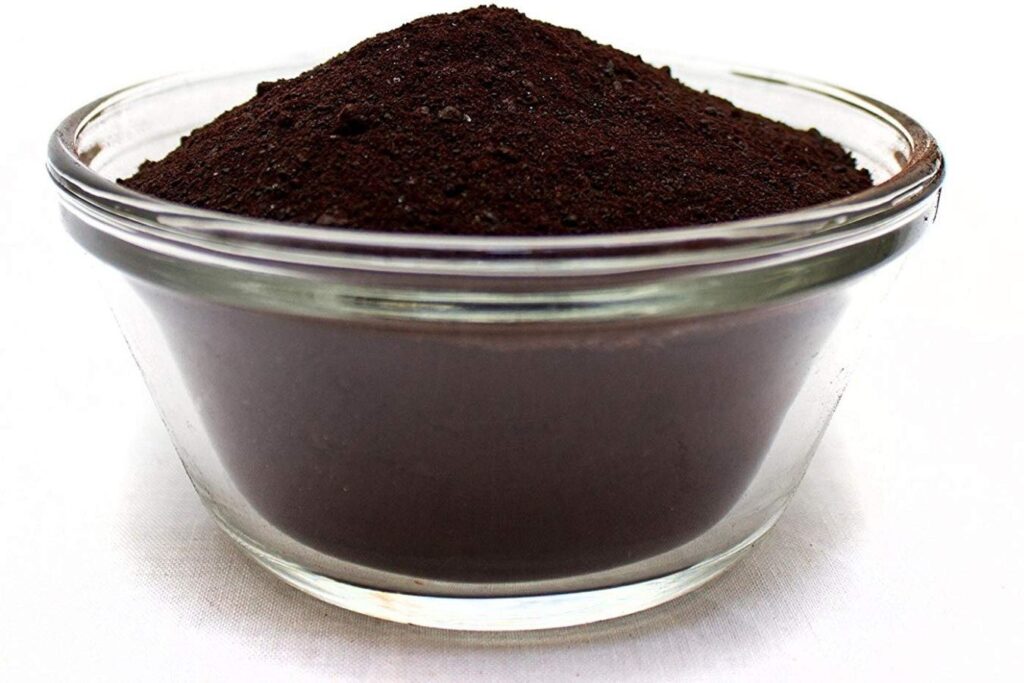
Blood meal is a protein-rich organic amendment that delivers concentrated nitrogen and other essential nutrients to soil. Because nitrogen is one of the primary elements plants need, blood meal is widely used to correct nitrogen deficiencies, improve early plant growth, and enhance soil fertility naturally.
This comprehensive guide explains:
- The nutrient profile of blood meal
- How those nutrients benefit soil and plant growth
- How and when to apply blood meal fertilizer
- What crops benefit most
- Where to source a bulk supply

What’s in Blood Meal? Nutrient Profile Explained
Blood meal is produced by drying and grinding animal blood (typically from livestock slaughterhouses) into a fine, powdery organic fertilizer.
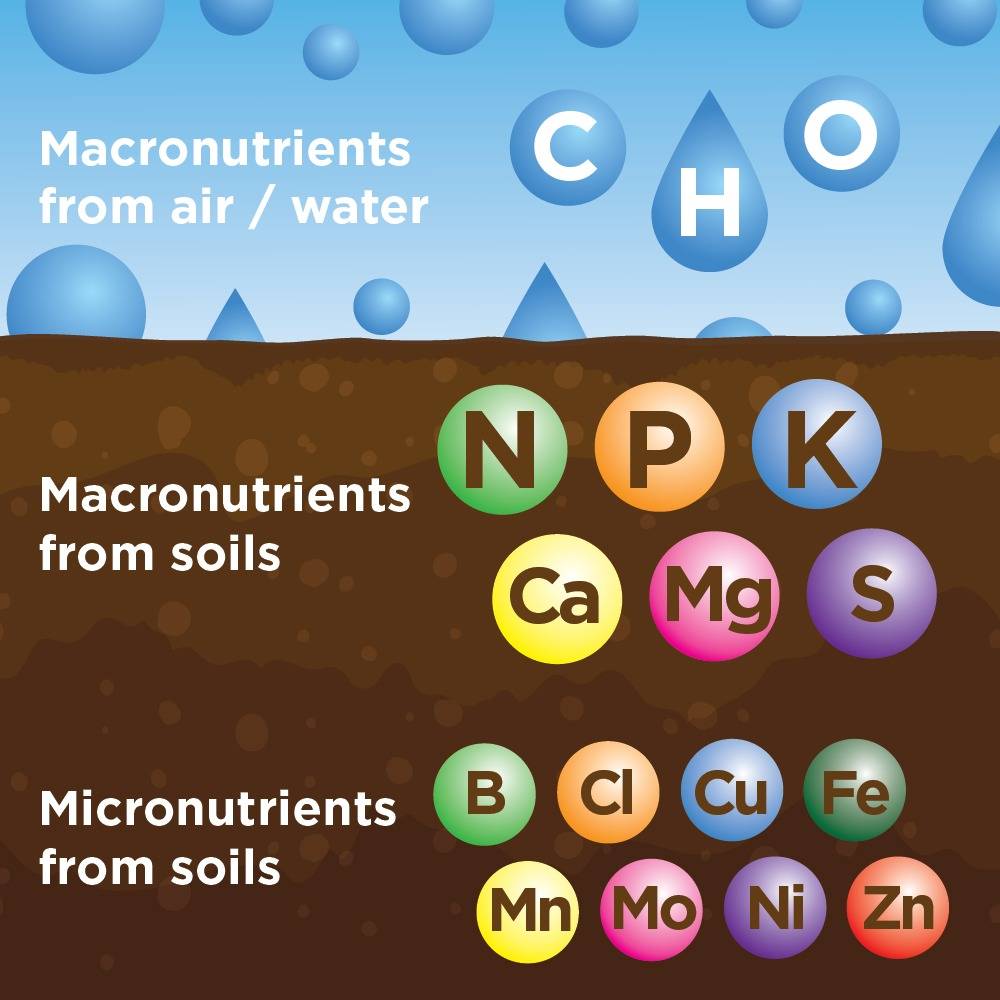
Nitrogen (N) | 12–15% (primary) | Promotes vegetative growth, chlorophyll production |
Phosphorus (P) | 0.2–0.5% | Energy transfer in plants, root development |
Potassium (K) | 0.2–0.4% | Stress tolerance, water regulation |
Calcium | Trace | Cell wall strength |
Micronutrients (Fe, Mg, Zn) | Trace | Enzyme activation, metabolic support |
Organic Matter | High | Improves soil structure & microbial activity |
What Does Each Nutrient Do?
🌿 Nitrogen (N) – The Core Nutrient
Nitrogen is the most abundant nutrient in blood meal. It drives:
✔ lush green foliage
✔ rapid early growth
✔ strong leaf development
✔ protein synthesis
✔ improved overall plant vigor
✔ rapid early growth
✔ strong leaf development
✔ protein synthesis
✔ improved overall plant vigor
Plants deficient in nitrogen often show yellowing leaves, slow growth, and low yields. Blood meal restores nitrogen quickly.
🌱 Phosphorus (P)
While low compared to nitrogen, phosphorus in blood meal supports:
✔ root development
✔ seed set and flowering
✔ energy transfer inside plants
✔ seed set and flowering
✔ energy transfer inside plants
In combination with nitrogen, it creates balanced early growth.
💧 Potassium (K)
Potassium assists with:
✔ stress resistance
✔ drought tolerance
✔ water uptake
✔ enzyme activation
✔ drought tolerance
✔ water uptake
✔ enzyme activation
Although not a major portion, the potassium in blood meal still contributes to overall plant health.
🧪 Micronutrients
Blood meal also contains trace amounts of micronutrients such as iron, magnesium, zinc, and others that assist:
✔ chlorophyll synthesis
✔ enzyme functions
✔ plant metabolism
✔ enzyme functions
✔ plant metabolism
🌾 Organic Matter
Blood meal adds organic material that:
✔ improves soil structure
✔ increases moisture retention
✔ enhances microbial activity
✔ supports long-term soil fertility
✔ increases moisture retention
✔ enhances microbial activity
✔ supports long-term soil fertility
Organic matter is essential in sustainable farming systems.
How Blood Meal Nutrients Affect Soil
1️⃣ Increases Soil Nitrogen
Nitrogen is mobile in soil and readily available after microbial breakdown of blood meal. This accelerates plant growth.
2️⃣ Improves Soil Biology
Soil microbes consume organic matter and slowly release nutrients, improving long-term fertility.
3️⃣ Enhances Soil Structure
Organic material helps bind soil particles, increase porosity, and improve root penetration.
How to Apply Blood Meal Effectively
✴ When to Use
- Before planting
- During vegetative growth
- If soil tests show low nitrogen
✴ Application Methods
✔ Broadcast: spread over the soil and incorporate
✔ Side-dress: apply near growing plants
✔ Mix with compost or other organic amendments
✔ Side-dress: apply near growing plants
✔ Mix with compost or other organic amendments
Always follow recommended rates — excessive nitrogen can burn plants or cause an imbalance.
Crop Types That Benefit Most
Blood meal’s nutrient profile makes it ideal for:
- Leafy vegetables (lettuce, spinach, cabbage)
- Pasture & forage (lucerne, grasses)
- Row crops (maize, sorghum)
- Flowering crops require a strong vegetative start
For large farms or commercial acreage, bulk supply is often the most cost-effective.
Blood Meal vs Other Organic Fertilisers
| Nitrogen Content | Very high | Low | Moderate |
| Phosphorus | Low | High | Low–mod |
| Organic Matter | High | High | Very high |
| Speed of Action | Fast | Slow | Slow |
| Best Use | Green growth | Root & flower support | Soil conditioning |
This shows that blood meal is preferred when boosting nitrogen quickly is a priority.
Where to Buy Bulk Blood Meal
If you need blood meal fertilizer in bulk, FarmSeedsFeeds.com supplies:
Available in:
- 25 kg bags
- 50 kg bags
- Pallet loads
- Jumbo bags
- Truckloads
Perfect for farms, gardens, pastures, and commercial production.
FAQ – Nutrients in Blood Meal
What nutrients are in blood meal?
Blood meal provides high nitrogen, trace phosphorus and potassium, micronutrients, and organic matter.
Blood meal provides high nitrogen, trace phosphorus and potassium, micronutrients, and organic matter.
Why is nitrogen important?
Nitrogen fuels vegetative growth, leaf color, and overall plant vigor.
Nitrogen fuels vegetative growth, leaf color, and overall plant vigor.
How quickly does blood meal work?
Blood meal releases nitrogen moderately fast once soil microbes break it down.
Blood meal releases nitrogen moderately fast once soil microbes break it down.
Can it burn plants?
Yes — over-application can cause nitrogen burn. Apply at recommended rates.
Yes — over-application can cause nitrogen burn. Apply at recommended rates.
Is blood meal organic?
Yes — it is an organic fertilizer derived from dried animal blood.
Yes — it is an organic fertilizer derived from dried animal blood.
Summary
Blood meal is an excellent organic fertilizer with a nutrient profile rich in nitrogen, as well as trace minerals and organic matter. These nutrients support soil fertility, improve plant growth, and enhance biological activity.
For commercial supply: