Email: sales@farmseedsfeeds.com
WhatsApp: +27 83 63 30 523
How to Buy Feed Grains in Bulk — Complete Farm Guide
Introduction
Buying feed grains in bulk is one of the smartest moves a farm, feedlot, or livestock operation can make. Purchasing large quantities of maize, sorghum, barley, wheat, and other grains reduces the cost per ton, stabilizes supply, and improves your planning accuracy.
This guide explains:
- Where to source feed grains in bulk
- What to watch for in quality and pricing
- Logistics and storage tips
- How to choose a reliable supplier
- Ways to save money on large orders
Whether you run a feedlot, commercial dairy, or large farm, understanding the best practices for buying feed grains in bulk will improve your margins and reduce operational risk.
What Does “Feed Grains in Bulk” Mean?
Feed grains are the cereal crops used as energy sources in livestock diets. Common feed grains include:
- Maize (corn)
- Sorghum
- Barley
- Wheat
- Oats
Buying in bulk means ordering large quantities — typically tonnage orders, 1-ton bags, truckloads, or containers — instead of small retail amounts.
Benefits of bulk purchasing include:
- Lower cost per unit
- Stable year-round supply
- Fewer delivery cycles
- Better negotiation leverage
At FarmSeedsFeeds.com, we specialize in bulk feed grains, supplying commercial volumes to customers across Africa and internationally. Explore our main feed grain category:
👉 Available options: Feed grains (bulk & bagged) →
Step 1 — Know What Feed Grains You Need
What system are you feeding?
✔ Feedlots (cattle finishing)
✔ Poultry farms
✔ Dairy farms
✔ Swine operations
✔ Feed mills & processors
✔ Poultry farms
✔ Dairy farms
✔ Swine operations
✔ Feed mills & processors
The type of livestock and feeding system affects the ideal grain mix.
Common feed grain choices
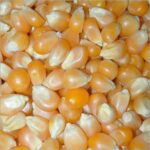
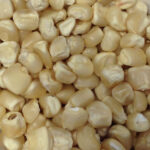
- Maize (corn): high starch, energy dense — ideal for beef & dairy
- Sorghum: heat-tolerant, good energy source
- Barley: higher fiber, good for balanced rations
- Wheat: energy, but higher cost in some regions
- Oats: fiber-rich, good for horses and specialty feeds
Each grain has a different nutritional profile — work with a nutritionist if possible.
Step 2 — Decide Bulk Quantity & Packaging
Selling feed grains in bulk can mean:
📦 1-ton bags for easy handling
🚚 Truckloads (10+ tons)
📦 Container shipments (20–40 ft)
⚖ Palletized lots for distributors
🚚 Truckloads (10+ tons)
📦 Container shipments (20–40 ft)
⚖ Palletized lots for distributors
Choosing the right packaging depends on:
• Farm storage capacity
• Off-take schedule
• Handling equipment
• Logistics cost
• Off-take schedule
• Handling equipment
• Logistics cost
For large feedlot programs, full truckloads or containers keep costs per ton lowest.
Step 3 — Quality Checks & Testing
When you buy feed grains in bulk, it’s essential to verify the quality. Poor grains cost money in lost feed efficiency and health issues.
Key quality parameters:
✔ Moisture content (low moisture = better storage)
✔ Foreign matter (stones, debris)
✔ Aflatoxins & mycotoxins (toxicity risk)
✔ Kernel size uniformity
✔ Odor & color consistency
✔ Foreign matter (stones, debris)
✔ Aflatoxins & mycotoxins (toxicity risk)
✔ Kernel size uniformity
✔ Odor & color consistency
Quality checks should be done before purchase. Reliable suppliers offer:
- Certified lab reports
- Batch testing documentation
- Moisture and purity guarantees
Step 4 — Compare Prices & Suppliers
Grain prices vary widely based on season, region, and global markets.
When evaluating bulk suppliers:
⚖ Compare price per ton AFTER transport
📦 Ask about bulk vs pallet pricing
🔄 Check minimum order quantities
🚚 Evaluate delivery schedules
📦 Ask about bulk vs pallet pricing
🔄 Check minimum order quantities
🚚 Evaluate delivery schedules
FarmSeedsFeeds.com offers competitive pricing on:
- Maize (corn)
- Sorghum
- Barley
- Other feed grains in bulk bagged and pallet formats
Visit: Feed Grains Bulk
Step 5 — Arrange Logistics and Delivery
Bulk grain delivery involves transport planning.
Transport options:
✔ Local truck deliveries
✔ Multiple truck rotations
✔ Container shipments for export
✔ Delivery to farm silos or warehouses
✔ Multiple truck rotations
✔ Container shipments for export
✔ Delivery to farm silos or warehouses
Make sure to confirm:
- Delivery lead time
- Loading points
- Offloading equipment needs
- Minimum quantity per delivery
Efficient logistics reduces delays and transport cost overruns.
Step 6 — Storage & Handling Best Practices
Once feed grains arrive in bulk, proper storage helps maintain quality.
Storage tips:
• Keep grains dry and ventilated
• Avoid direct sunlight
• Use rodent and pest control
• Rotate stock (first in, first out)
• Monitor moisture and temperature
• Avoid direct sunlight
• Use rodent and pest control
• Rotate stock (first in, first out)
• Monitor moisture and temperature
Good handling practices reduce spoilage and maintain nutritional value.
How Bulk Feed Grains Fit Into Feed Rations
Balanced feed rations require:
✔ Energy sources (grains)
✔ Protein components
✔ Minerals & vitamins
✔ Protein components
✔ Minerals & vitamins
FarmSeedsFeeds.com supplies grains that fit perfectly into feedlot and livestock ration programs. See:
Grains are the backbone of energy in rations.
Common Mistakes When Buying Feed Grains in Bulk
❌ Choosing the lowest price only
❌ Skipping quality testing
❌ Ignoring logistics costs
❌ Ordering more than you can store
❌ Not planning delivery schedule
❌ Skipping quality testing
❌ Ignoring logistics costs
❌ Ordering more than you can store
❌ Not planning delivery schedule
Avoiding these keeps your feed program efficient and profitable.
FAQ — How to Buy Feed Grains in Bulk
Q: What is considered a bulk feed grain order?
A: Bulk typically means orders over 10 tons, pallet loads, truckloads, or container shipments.
A: Bulk typically means orders over 10 tons, pallet loads, truckloads, or container shipments.
Q: Can feed grains be customized for a mix?
A: Yes — suppliers can mix maize, sorghum, barley, depending on your ration needs.
A: Yes — suppliers can mix maize, sorghum, barley, depending on your ration needs.
Q: Should I test grain quality before purchase?
A: Absolutely — moisture, toxins, and purity affect animal performance.
A: Absolutely — moisture, toxins, and purity affect animal performance.
Q: Do bulk deliveries require special equipment?
A: Some deliveries require silos, augers, or forklift access. Plan ahead.
A: Some deliveries require silos, augers, or forklift access. Plan ahead.
Q: Where can I source bulk grains?
A: FarmSeedsFeeds.com supplies bulk feed grains with competitive pricing and logistics options.
A: FarmSeedsFeeds.com supplies bulk feed grains with competitive pricing and logistics options.
Final Thoughts
Buying feed grains in bulk is a smart strategy for:
• reducing cost per ton
• ensuring a steady supply
• optimizing feed rations
• supporting large animal operations
• ensuring a steady supply
• optimizing feed rations
• supporting large animal operations
With the right supplier, quality checks, and logistical planning, you can improve your feed program’s efficiency and profitability.
Ready to buy bulk feed grains?
👉 Contact us for a quote.
👉 Contact us for a quote.